
Middletown City Directory Collections
Historic Middletown searches draw from Monmouth County collections, not one uninterrupted township series. The New Jersey Historical Society guide and State Library catalog identify county directories, while the Monmouth County Historical Association, the County Library Historical Room, and state repositories provide reading-room routes. A village or post-office label may be the key. Middletown's boundaries changed over time, so a person could be indexed under a historic community or a neighboring postal label even when the connection is genuine.
| Collections | Years | Where held | Access |
|---|---|---|---|
| Monmouth County directories | 1875; 1885-86; 1891; 1897-1901; 1904-05; 1905-17; 1920-21 | NJ Historical Society microfilm, State Library catalog, and local institutions | Microfilm, catalog, or local research access |
| Boyd's Monmouth County Directory | 1898-99, 1900-01, 1904-05 | State Library catalog and institutional microfilm | County-wide name and business entries |
| Monmouth Farm and Business Directory | 1914 | NJ Historical Society, licensed library sources, or digitized collection | Rural household and route clues |
| Middletown Baptist Church records | 1712-1741, 1785-1796, 1804-1922 | NJ Historical Society microfilm and archival research | Congregational event and family context |
| Red Bank regional directories | 1938-1981 | Red Bank Public Library Local History Room and Digifind-It | Regional, not complete Middletown coverage |
Publication gaps matter. The documented runs do not establish a directory for every year or every modern neighborhood. Treat a missing name as a search result, not a conclusion, then check the nearest year, a village label, and a different source type.
Middletown Directory Research Shelves
The Monmouth County Library Historical Room at the Headquarters library in Manalapan has more than 1,400 secure, non-circulating local-history items, including directories, books, magazines, and scrapbooks. Reference staff assistance is available in the library. Its catalog and research pathways also point to oral histories, historic newspapers, FamilySearch, HeritageQuest, and licensed databases, whose access conditions can differ.
The Red Bank Public Library Local History Room is a useful nearby shelf for regional ties. Its directories, yearbooks, newspapers, and area history can illuminate a school, business, church, or family connection. It should not be read as a complete record of every Middletown address. Some library resources require an account, a card, or in-library access.
Red Bank Public Library's Local History Room offers a regional directory research route.
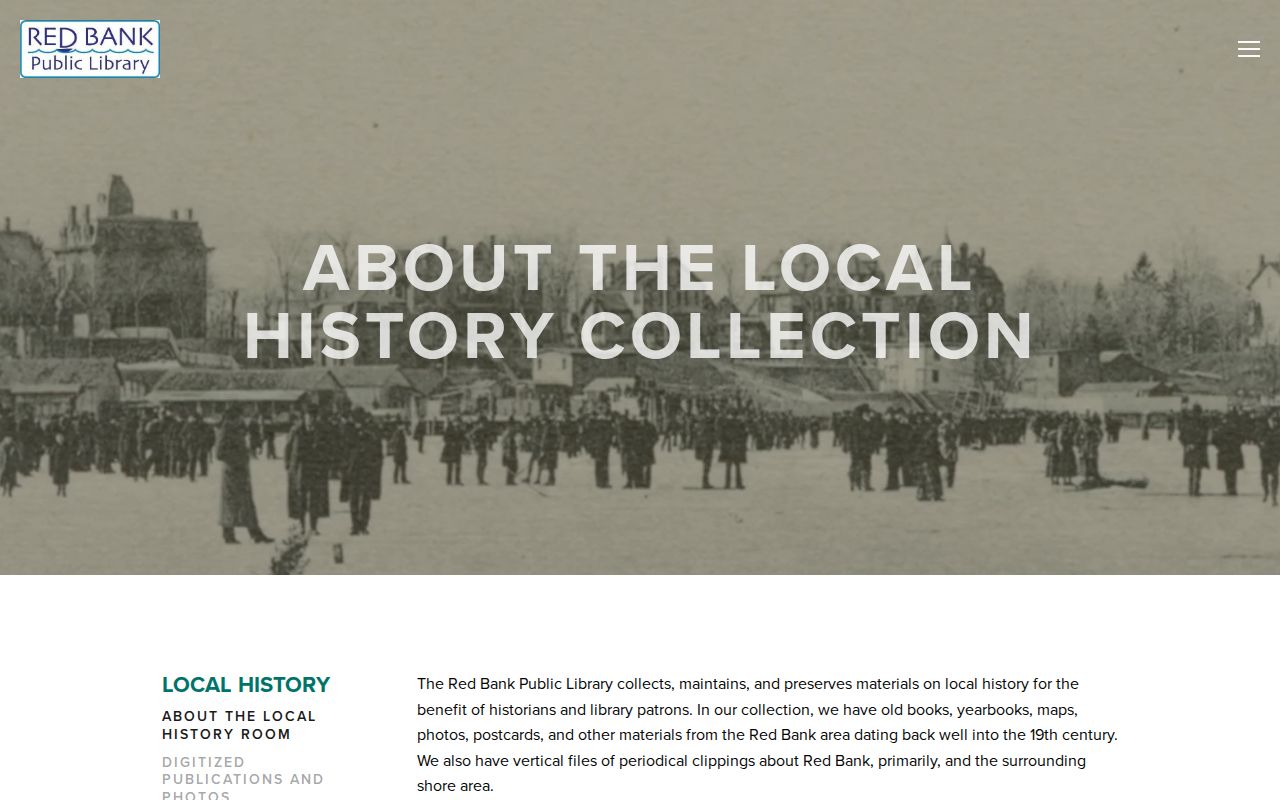
For Middletown city directory work, use this neighboring collection to test regional connections, then confirm any Middletown claim in a Monmouth-wide or township-specific record.
Middletown Directory Years and Publishers
The 1875 J.H. Lant Monmouth County directory is the documented opening point in the State Library listing. Boyd's follows with editions for 1898-99, 1900-01, and 1904-05. The microfilm guide adds runs for 1885-86, 1891, 1897-1901, 1905-17, and 1920-21. These are county volumes, so a search should include Middletown Township, a village, and an expected post office rather than relying on a current street form.
- 1875: locate the J.H. Lant county directory and preserve the printed place label.
- 1885-86 through 1904-05: compare the scattered Boyd's and related editions for a move, occupation change, or new household marker.
- 1905-17 and 1920-21: use later county runs to test whether a household stayed in the same village or shifted post offices.
Known dates mark surviving editions, not continuous annual coverage. A directory is a publisher's snapshot. It can support a date-specific lead, but it does not prove ownership, citizenship, identity, or unbroken residence.
Reading a Middletown City Directory
Read the front matter and abbreviation key before extracting a name. The 1914 Farm and Business Directory can show a surname and given name, spouse in parentheses, number of children, occupation, ownership or tenure notation, acreage, farm type, telephone notation, township, rural route or post-office context, and page or map clues. OCR is often unreliable. Preserve what is printed rather than turning an abbreviation or rural route into a modern address.
| Personal name | Printed surname and given name, including initials and spelling variants. |
|---|---|
| Household clue | Spouse in parentheses or number of children, when the volume supplies it. |
| Work or farm detail | Occupation, farm type, acreage, business, or a related listing. |
| Place detail | Township, village, rural route, post office, page code, or map clue. |
| Printed mark | Tenure or telephone notation whose meaning must be checked against the volume. |
- Criss-cross directory
- A directory section arranged by street and house number rather than by surname. The available Red Bank example is regional and date-specific.
- Householder index
- An alphabetical list that may emphasize the household head or business proprietor instead of every resident.
- Abbreviation key
- The explanatory list in the volume, often near the front, that tells a reader what printed initials and marks mean.
Middletown Farm Directory Details
The 1914 farm volume is especially valuable for rural Middletown because it can put a household in a township, route, or post-office setting before modern address patterns settled. It may also distinguish ownership or tenure notation from a residence entry. That distinction is important: a tenure mark points to the directory's own classification and still needs confirmation in a deed, tax ratable, or map.
The digitized Monmouth farm-directory collection target documents a historical-directory collection for Monmouth research.
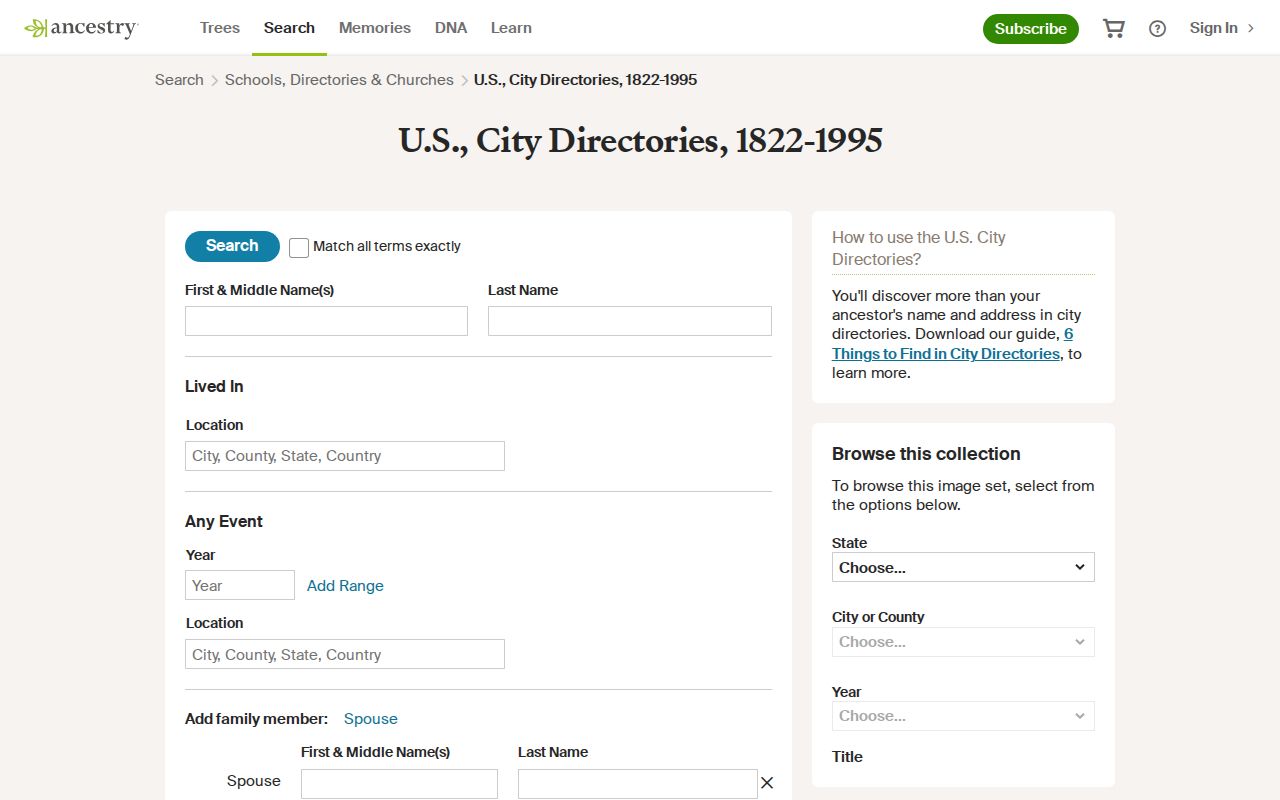
Record the publication year, page, image number, printed spelling, and any uncertainty alongside each Middletown city directory transcription. That small citation trail lets a later reader reopen the same entry instead of relying on an altered summary.
Middletown Directory Cross-Checks
The New Jersey Historical Society lists Middletown Baptist Church records for 1712-1741, 1785-1796, and 1804-1922. They can provide a congregation event or family relationship that adds context to a directory name. They do not turn a church record into an address list. The same care applies to obituary indexes, which can offer residence, spouse, parents, occupation, church, cemetery, and surviving-relative clues.
The New Jersey Historical Society microfilm guide is the source for the Monmouth directory and church-record listing.
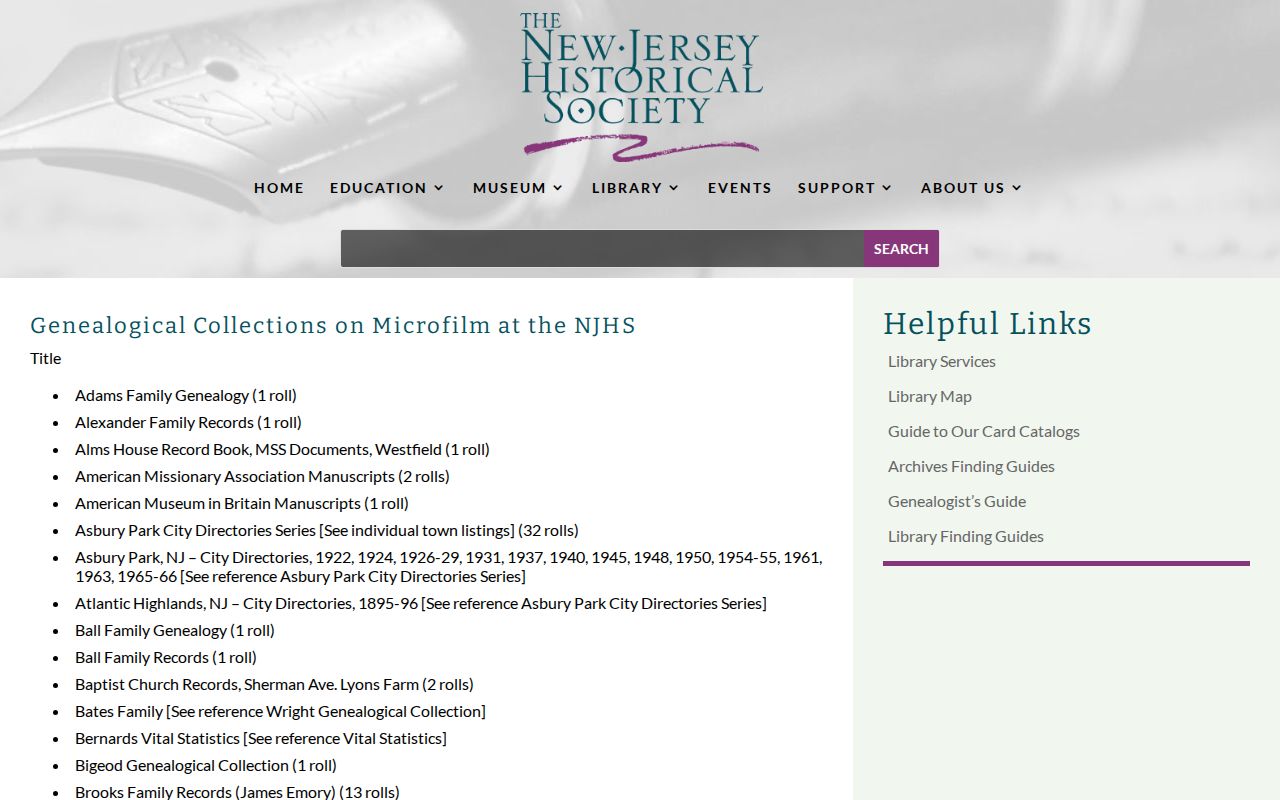
Use a directory entry to form a narrow question, then use the church, census, deed, tax-ratable, or obituary record that fits the question. The evidence types answer different things and are strongest when they agree on time and place.
Middletown Directory Name Tracing
Start with a complete name and a probable year. Search the Monmouth 1875 census by Town, Category, and Person Name, trying both Starts With and Contains. Then test the nearest directory editions with spelling, spouse, village, post-office, and occupation variants. For an unknown occupant, locate the street section in a period-appropriate reverse or criss-cross directory, copy the name and adjacent addresses, and verify it in the alphabetical section.
- Keep the exact printed name, year, place label, and page before making any modern comparison.
- Follow the household through adjacent directory editions, noting moves and changes in work, route, or post office.
- Pair a directory era with the matching census or the 1875 county census search, then compare the household composition.
- Use an obituary, church record, cemetery source, deed, or tax ratable to test a move, death, family link, or property connection.
- Write down missing years and rejected matches, especially a different township, incompatible date, or mistaken village.
Women and children may be indexed only through a spouse, parent, surname variation, or institution. That limitation is a property of many historical directories, not proof that they were absent from Middletown.
Middletown Directory Archive Help
Monmouth County Historical Association genealogy resources list county and city directories, family books, a Revolutionary-era biographical file, the Michael Adelberg database, and obituary indexes. The obituary runs include the Monmouth Inquirer from July 1830 to 1888, the Monmouth Democrat from July 1830 to December 1884, the Freehold Transcript from September 1888 to 1919, and the Red Bank Register from June 1878 to December 1988.
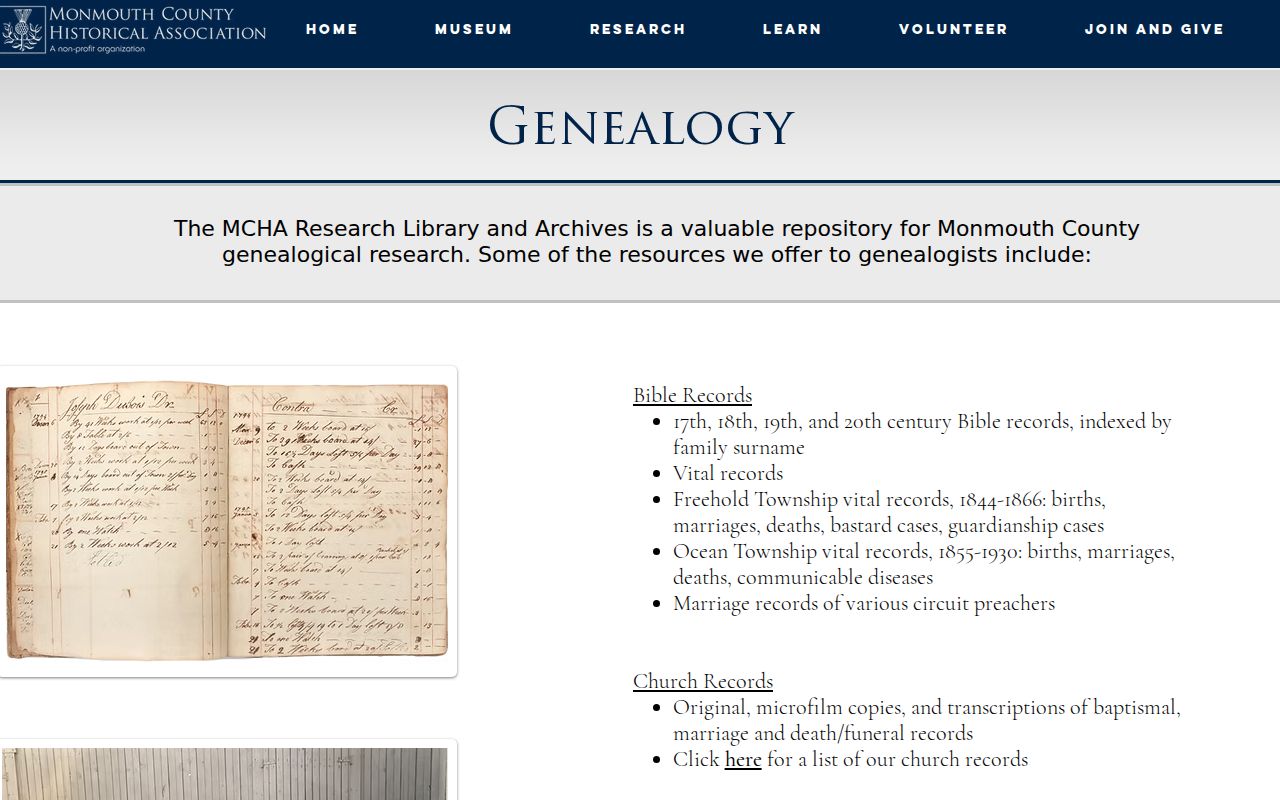
MCHA's research library is appointment-only. Its staff can perform a small specific search for a stated fee or offer broader genealogy help after a quote. Send the name, date range, village or street, and suspected collection rather than asking for a general person search.
Note: An obituary or directory can supply a strong lead, but dates and family relationships still need a primary-record check.
Middletown Directory Regional Search Tip
Middletown's historic place names are a practical search tool. Navesink was once Riceville, and Holland grew around Laurel Avenue. Middletown Village had a compact English grid along Kings Highway while some owners held outlots beyond it. Try those historic names in a directory, newspaper, church register, map, or family file beside the modern township name. A village result may explain why a surname does not appear under the form expected today.
Red Bank's Digifind-It archive holds regional directories, newspapers, Sanborn maps, and yearbooks.
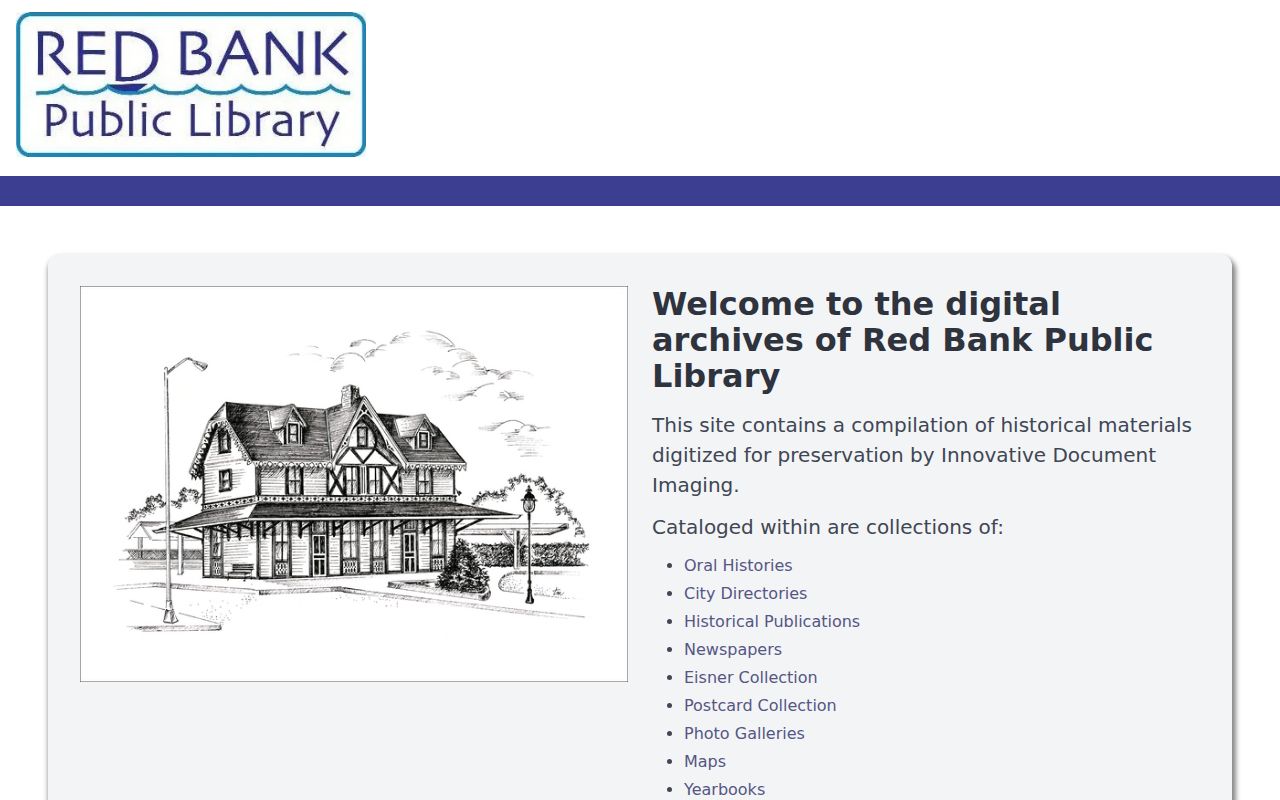
The archive's Red Bank directories span 1938-1981, newspapers 1878-1991, Sanborn maps 1908 and 1914, and yearbooks 1921-1995. Use it to investigate a nearby school, business, organization, or family link, and label that adjacent-community scope in any research note.
Limits of a Middletown City Directory
A historic city directory is not a current resident roll and cannot prove continuous occupancy. People disappear for many ordinary reasons: the publisher did not cover that village, the household was listed under another name, the person moved, the business changed, the collection skipped a year, or the volume has not been digitized. A deed reflects a recorded interest; a tax ratable reflects assessment; a census records an enumeration; a church register records a congregation event; and an obituary reports a death notice. None substitutes for all the others.
For a property-address trail rather than a directory shelf, use the Middletown past residents route to compare a parcel, deed references, and historical household evidence. Keep directory clues date-labeled and avoid publishing protected or personal information from source images.